

.svg)


- All lines and factories
- Oilseed processing lines
- Vegetable oil processing lines
- Vitamin-herbal granules (herbal flour) production lines
- Compound feed plants
- Grain and seed preparation lines (seed lines)
- Granulation lines
- Plants for the production of fuel granules (pellets)
- Premix production line
- Lines for the production of feed for pets and fish
- All types of equipment
- Equipment for the extrusion and processing of oilseeds
- Equipment for processing vegetable oils
- Equipment for the production of vitamin and herbal flour
- Equipment for the production of fuel pellets
- Equipment for the feed industry
- Equipment for the milling and cereal industry
- Transport and aspiration equipment

Articles
 22 May 2026
Pressing and extrusion equipment for processing sunflower seeds of own production
 13 January 2026
Comprehensive solutions for processing oilseeds from the manufacturer: turnkey is real!
 15 October 2025
From grain to granules: how oilseed processing and extrusion lines work in the production of compound feeds
 14 August 2025
Oil presses trusted by professionals: reliability in detail
Bean preparation lines


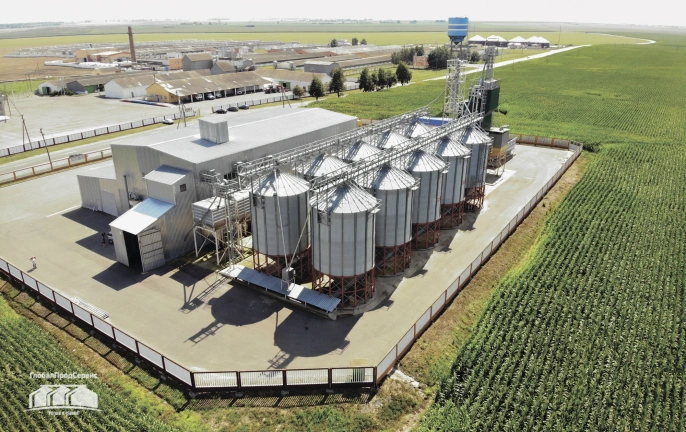
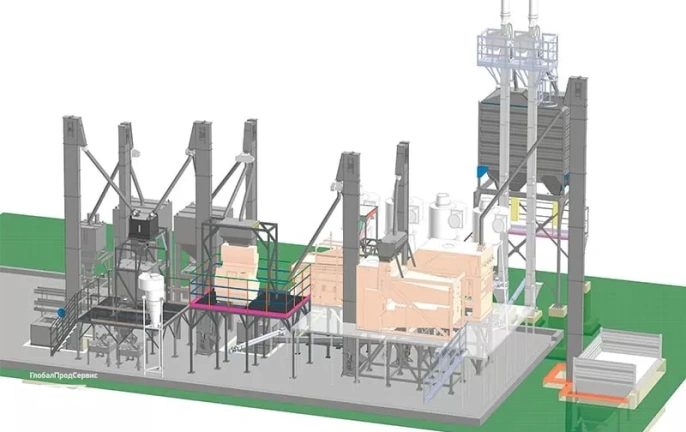
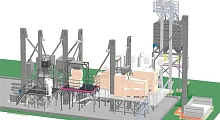
Legumes such as peas, soybeans, beans, lentils, lupines, clover, alfalfa are particularly sensitive to the quality of the seed material. Their seeds are often small, and the impurities (including weed seeds) are very similar in size and weight. Conventional grain cleaning machines cannot handle this. In order to distinguish them, it is necessary to have universal machines, appropriate sets of sieves and trier cylinders.
Legume seeds are conventionally round in shape, therefore, the preparation of seeds of these crops must be adapted to this specific feature, their preparation requires a special approach, which is provided by such lines. To maintain quality, the crop goes through specialized preparation lines, where each stage is the key to success in the market.
Appointment
The purpose of the seed lines for the preparation of legumes is the complex cleaning, sorting, calibration and bringing of legume seeds to high sowing qualities to obtain stable and high yields.
Technology
Features of legumes affecting technology:
- A variety of shapes and sizes of seeds (from small ones - lentils to large ones - beans).
- Fragile shell, sensitive to mechanical damage.
- High nutritional value and tendency to self-heating at high humidity.
- The need for precise sorting to preserve the sowing qualities.
In the bean seed preparation lines, spiral separators are used to separate "round" shaped seeds from conventionally "non-round" impurities. In addition, it is absolutely not advisable to use trier blocks in such lines.
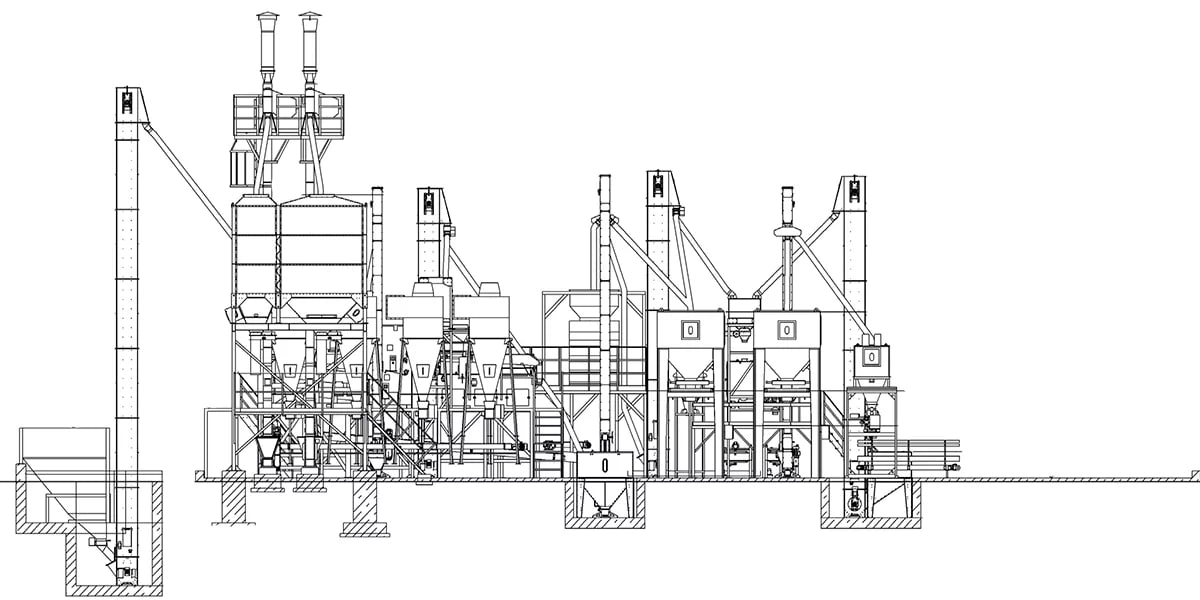
A typical seed line for legumes includes the following steps:
- Primary (mandatory) cleaning on air-sieve separators of the MUZ series.
- Secondary (seed) cleaning on TOP series fine cleaning machines.
- Shape sorting on rotary sorters.
- Sorting by specific gravity on pneumatic columns of the SP series.
- Color sorting on photo separators.
- Etching, inlay and etching on etchants of the PS series.
- Packing of seeds in bags and big bags at the TORBA series packing stations.
Advantages
- Improving the quality of seed material through precise selection and cleaning
- Preservation of germination and germination energy - delicate treatment reduces seed damage
- Versatility - the ability to adapt to different cultures
- Reduction of losses — up to 98% of the yield of high-quality grain
- The possibility of obtaining products for the food industry, for example, refined soybean kernels or split peas.
- Automation of processes - minimum manual labor, high productivity (from 5 to 50 t/h, depending on the configuration)
Manufacturer: CJSC Borisov Plant "Metallist". Polymya: The Company Brand
The purpose of the seed lines for the preparation of legumes is the complex cleaning, sorting, calibration and bringing of legume seeds to high sowing qualities to obtain stable and high yields.
Features of legumes affecting technology:
- A variety of shapes and sizes of seeds (from small ones - lentils to large ones - beans).
- Fragile shell, sensitive to mechanical damage.
- High nutritional value and tendency to self-heating at high humidity.
- The need for precise sorting to preserve the sowing qualities.
In the bean seed preparation lines, spiral separators are used to separate "round" shaped seeds from conventionally "non-round" impurities. In addition, it is absolutely not advisable to use trier blocks in such lines.
A typical seed line for legumes includes the following steps:
- Primary (mandatory) cleaning on air-sieve separators of the MUZ series.
- Secondary (seed) cleaning on TOP series fine cleaning machines.
- Shape sorting on rotary sorters.
- Sorting by specific gravity on pneumatic columns of the SP series.
- Color sorting on photo separators.
- Etching, inlay and etching on etchants of the PS series.
- Packing of seeds in bags and big bags at the TORBA series packing stations.
- Improving the quality of seed material through precise selection and cleaning
- Preservation of germination and germination energy - delicate treatment reduces seed damage
- Versatility - the ability to adapt to different cultures
- Reduction of losses — up to 98% of the yield of high-quality grain
- The possibility of obtaining products for the food industry, for example, refined soybean kernels or split peas.
- Automation of processes - minimum manual labor, high productivity (from 5 to 50 t/h, depending on the configuration)
Advantages of the equipment

Robust construction

Stable and reliable production

Maximum efficiency

Easy to operate

Easy maintenance

It will save space

Low maintenance costs

Long service life
Ask a Question
Have you watched recently
Bean preparation lines
- Specialized technological machines designed for complex processing of legume grains in order to obtain high-quality seed or commercial material. These crops include: peas, beans, soybeans, lentils, chickpeas, beans, and lupines.
Grain preparation lines
- Integrated technological solutions designed for processing crops from the moment they arrive at the elevator or granary to the receipt of commercial or seed grain that meets regulatory requirements. The task of any seed line is to select the most productive and strong seeds from the available grain raw materials, which will ensure high germination.

Sieves
- Sieves are used to separate crushed material into different size fractions. They are installed after the crushing chamber and serve to separate particles of the desired size from larger or smaller ones.
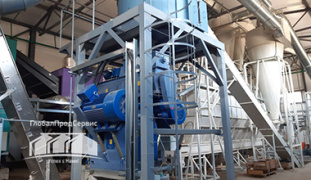
Pellet plant from 2 t/h
- A pellet plant produces fuel pellets from wood waste such as sawdust and shavings. We offer complete sets of plants of different design capacities.
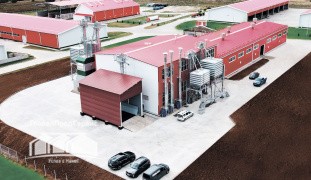
Herb seed preparation lines
- Specialized technological complexes designed for processing seeds of perennial and annual fodder, pasture and lawn grasses in order to obtain high-quality seed material. These crops include: clover, alfalfa, timothy, fescue, hedgehog, bluegrass, rump, perennial lupine, siderates and grass mixtures.