.svg)




Grain preparation lines


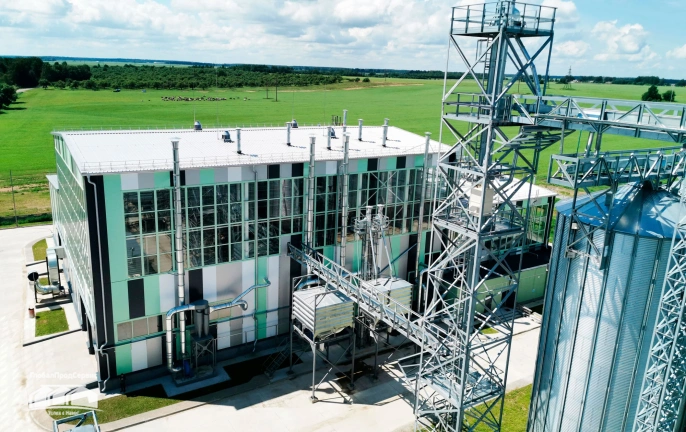
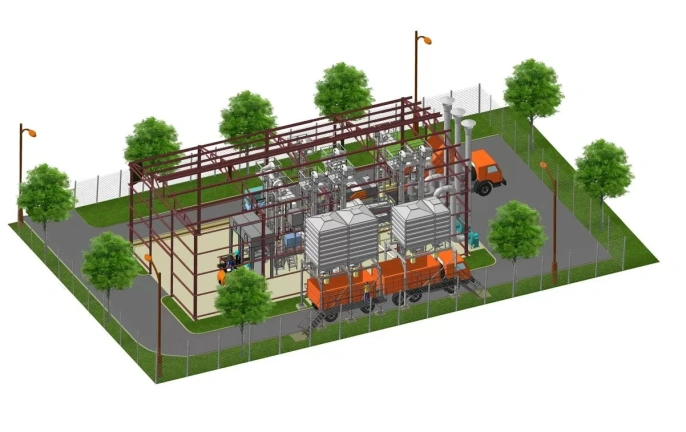
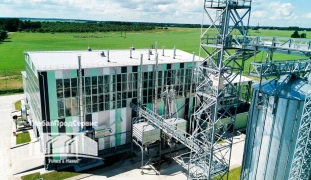
The grain preparation line is not just equipment. It is a bridge between the field and profit. It transforms a crop from a "mass" into a valuable, standardized product, ready for any next stage - be it sowing, storage or sale. Modern agriculture without such lines is like a machine without an engine: it moves, but slowly and intermittently. And with them, go ahead, cleanly, efficiently and profitably.
Prepared and processed seeds can increase yields by 15-30% compared to untreated or low-quality seeds. In some cases, under optimal conditions — especially when using modern hybrids and precise seeding — the increase reaches up to 35-40%. High-quality seeds are considered to be rich in nutrients, with high germination energy and inherent genetic potential for active growth and abundant harvest. Indeed, it is the quality of the seed that largely determines how successful the harvest will be: friendly shoots, stress resistance and high productivity begin with a strong and healthy seed.
Modern equipment ensures high seed quality, which directly affects the success of crop cultivation and lays the foundation for a stable and rich harvest.
The task of any seed line is to select the most productive and strong seeds from the available grain raw materials, which will ensure high germination, and for this it is necessary to ensure:
- drying in a gentle mode to the specified conditions;
- cleaning according to geometric parameters on air-sieve separators (in width and thickness);
- cleaning according to geometric parameters on trieres (in length);
- special types of cleaning (by shape, surface properties, windage)
- cleaning by specific gravity on pneumatic pillars to isolate the strongest seeds;
- color cleaning on photoseparators for purity over 99.95%;
- pre-sowing treatment (UV radiation treatment, etching, etching, etc.);
- packing and storage.
The proposed seed preparation technologies, which are then implemented in seed lines and plants, take into account the specific characteristics of the crops being harvested and are used to prepare seeds for cereals, legumes, oilseeds, annual and perennial grasses.
The specific configuration of the seed line is selected individually, taking into account the wishes of the customer, available production areas, technical capabilities and purposes of use. However, the main determining factor in the formation of the composition of the line remains the culture for which seed preparation is required. Each crop, whether grain, legume, forage grass, or cruciferous, has unique physical characteristics: the size, shape, density, and sailiness of the seeds. Therefore, in order to achieve maximum efficiency of cleaning, calibration and preservation of seed qualities, the equipment of the line must be optimized for a specific crop. This approach ensures high seed quality, minimal losses and stable operation of the entire technological chain.
Appointment
Grain preparation lines are technological complexes designed for complex processing of grain after harvesting in order to obtain a high-quality product suitable for storage, processing, sowing or sale.
Grain preparation lines are the basis of effective agricultural production. They allow you not just to store the crop, but to maximize and increase its value, whether for sale, processing or sowing. Modern solutions ensure reliability, durability and quick payback.
Technology
The preparation of grain seeds (continuous sowing crops) is a classic technology that is fundamental for working out variations in seed preparation technologies depending on the specifics of the agricultural crop. Grain preparation lines are used in agricultural enterprises, elevators, milling and feed mills, as well as in seed farms.
A typical seed line for grain crops includes the following stages:
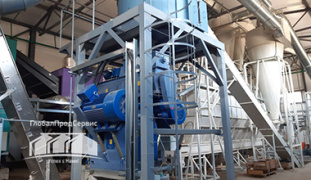
- Primary (mandatory) cleaning on air-sieve separators of the MUZ series.
- Secondary (seed) cleaning on fine cleaning machines of the TOP series.
- Sorting by length on BT series triers.
- Sorting by specific gravity on pneumatic columns of the SP series.
- Color sorting on photo separators.
- Etching, inlay and etching on etchants of the PS series.
- Packing of seeds in bags and big bags at the TORBA series packing stations.
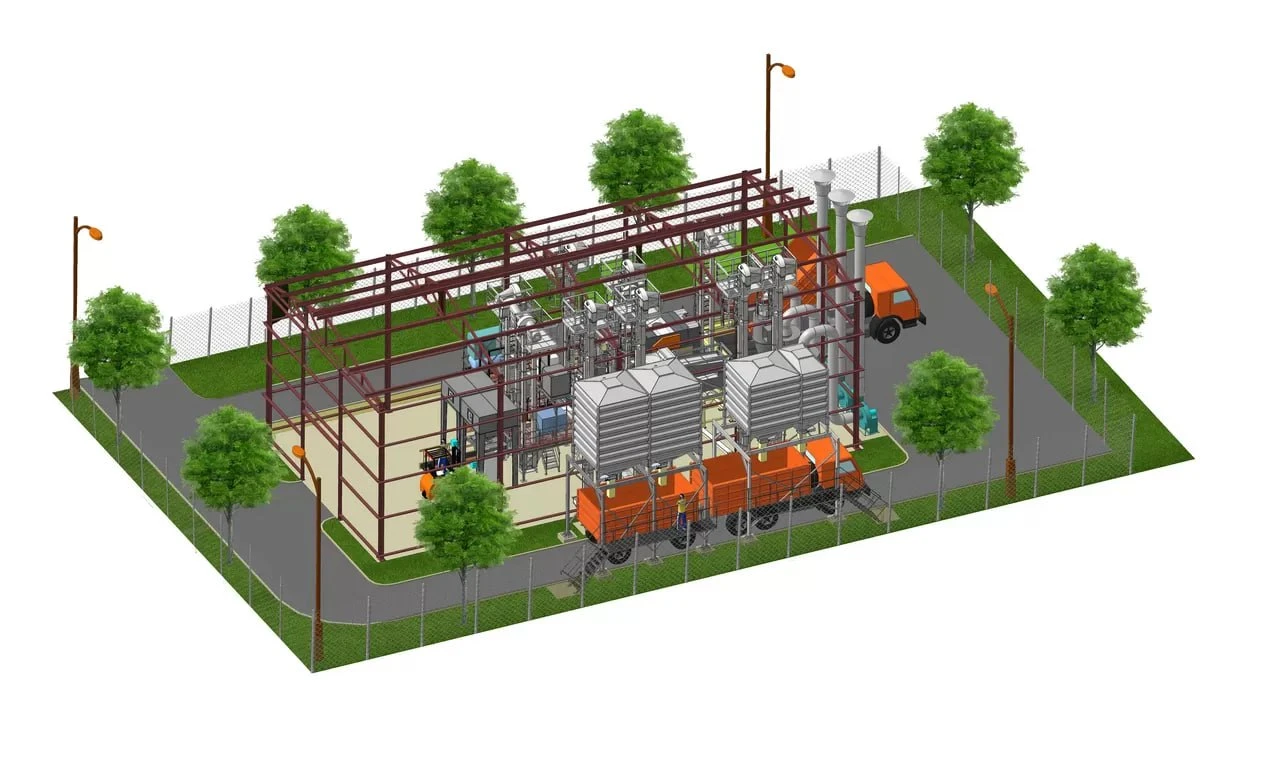
Stages of the technological process:
- Feeding is carried out using burrows, conveyors or pneumatic systems
- Pre-cleaning is carried out on grain pre-treatment machines, where large and light impurities are removed
- Drying is carried out in drum, column or shaft type grain dryers
- Storage or further purification - depending on the purpose of the grain (for sale, for seeds, for processing)
- Final processing - fine sorting, calibration, etching (for seeds)
- Shipping - by wagons, cars, or packing
Advantages
The main advantage of the seed line is its ability to efficiently extract the most viable, large and vigorous seeds from the source seed material. Thanks to multi-stage cleaning, precise sorting by size, shape and specific gravity, as well as calibration, high uniformity of the seed material is ensured. Such strict selection makes it possible to preserve and strengthen the genetic potential of seeds, which directly contributes to friendly germination, uniform plant development and, as a result, obtaining a high and high-quality harvest.
- Increasing the marketable value of grain due to compliance with quality classes.
- Reduced storage losses - dry and clean grain is not susceptible to spoilage.
- The increase in seed germination is due to high-quality sorting and processing.
- Automation of processes - minimum manual labor, high productivity.
- Versatility - the ability to process wheat, barley, oats, corn, rye and other crops.
- The economic benefit is a reduction in the cost of purchasing seeds, additional income from the sale of marketable grain.
Manufacturer: CJSC Borisov Plant "Metallist". Polymya: The Company Brand
Grain preparation lines are technological complexes designed for complex processing of grain after harvesting in order to obtain a high-quality product suitable for storage, processing, sowing or sale.
Grain preparation lines are the basis of effective agricultural production. They allow you not just to store the crop, but to maximize and increase its value, whether for sale, processing or sowing. Modern solutions ensure reliability, durability and quick payback.
The preparation of grain seeds (continuous sowing crops) is a classic technology that is fundamental for working out variations in seed preparation technologies depending on the specifics of the agricultural crop. Grain preparation lines are used in agricultural enterprises, elevators, milling and feed mills, as well as in seed farms.
A typical seed line for grain crops includes the following stages:
- Primary (mandatory) cleaning on air-sieve separators of the MUZ series.
- Secondary (seed) cleaning on fine cleaning machines of the TOP series.
- Sorting by length on BT series triers.
- Sorting by specific gravity on pneumatic columns of the SP series.
- Color sorting on photo separators.
- Etching, inlay and etching on etchants of the PS series.
- Packing of seeds in bags and big bags at the TORBA series packing stations.
Stages of the technological process:
- Feeding is carried out using burrows, conveyors or pneumatic systems
- Pre-cleaning is carried out on grain pre-treatment machines, where large and light impurities are removed
- Drying is carried out in drum, column or shaft type grain dryers
- Storage or further purification - depending on the purpose of the grain (for sale, for seeds, for processing)
- Final processing - fine sorting, calibration, etching (for seeds)
- Shipping - by wagons, cars, or packing
The main advantage of the seed line is its ability to efficiently extract the most viable, large and vigorous seeds from the source seed material. Thanks to multi-stage cleaning, precise sorting by size, shape and specific gravity, as well as calibration, high uniformity of the seed material is ensured. Such strict selection makes it possible to preserve and strengthen the genetic potential of seeds, which directly contributes to friendly germination, uniform plant development and, as a result, obtaining a high and high-quality harvest.
- Increasing the marketable value of grain due to compliance with quality classes.
- Reduced storage losses - dry and clean grain is not susceptible to spoilage.
- The increase in seed germination is due to high-quality sorting and processing.
- Automation of processes - minimum manual labor, high productivity.
- Versatility - the ability to process wheat, barley, oats, corn, rye and other crops.
- The economic benefit is a reduction in the cost of purchasing seeds, additional income from the sale of marketable grain.
Advantages of the equipment

Robust construction

Stable and reliable production

Maximum efficiency

Easy to operate

Easy maintenance

It will save space

Low maintenance costs

Long service life