.svg)


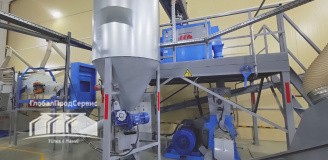


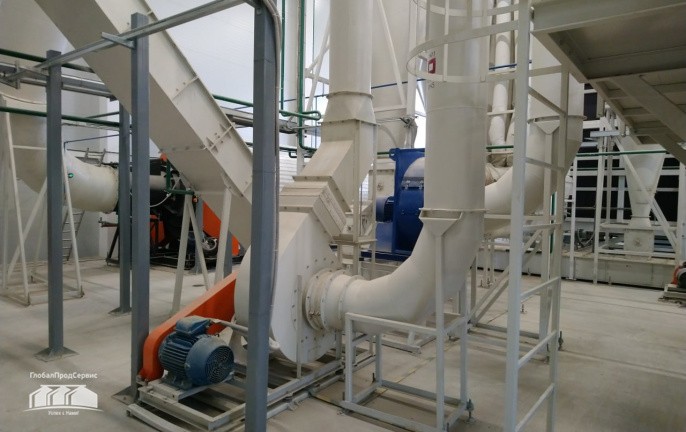
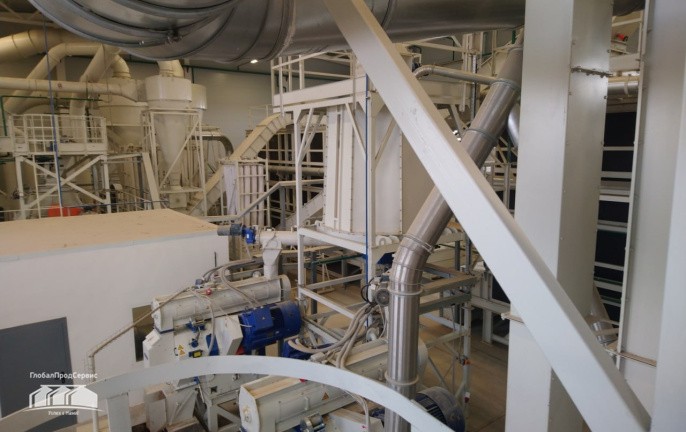
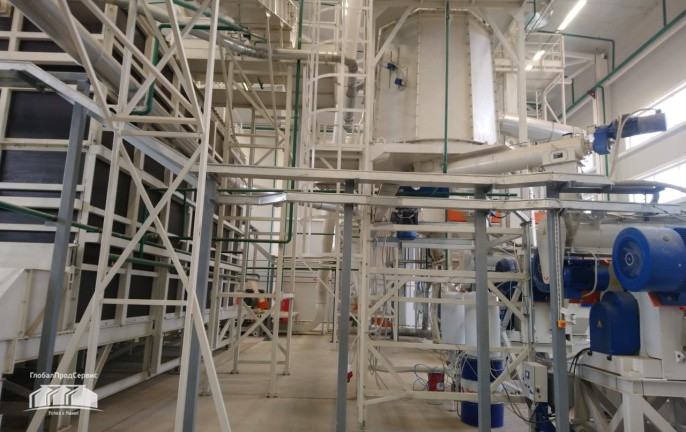
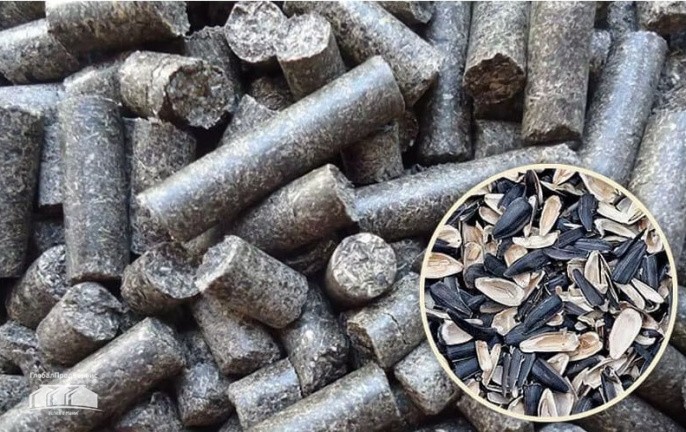
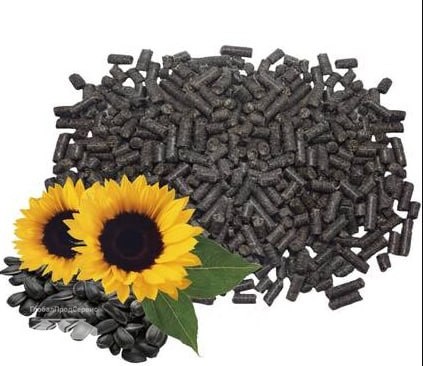
Sunflower Husk Granulation Line (soybean husk)


.jpg)
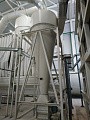
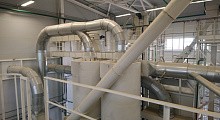
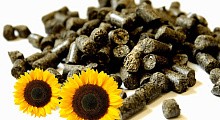
.jpg)
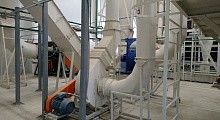
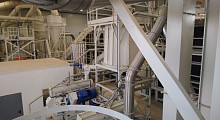
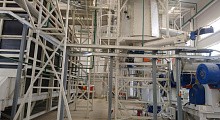
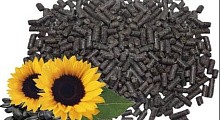
Globalprodservice supplies comprehensive technological equipment for pelletizing fuel pellets from sunflower husks and soybeans (from pelletizing to warehousing), their compact storage, convenient transportation and cost-effective use as an environmentally friendly and energy-intensive type of fuel.
The husk is a byproduct of the processing of sunflower seeds and soybeans. At enterprises engaged in the processing of sunflower seeds, the amount of waste of this type reaches several tens of tons per week. Husk disposal is quite problematic – transporting large volumes with low bulk weight is quite expensive. Storing leftovers is inconvenient, since the mass is easily ignited, smoulders with the release of an unpleasant odor.
To solve the problem of large accumulation of sunflower husks, given the high calorific value of the husk during combustion, it is possible to granulate the husk to produce fuel pellets for solid fuel boilers and furnaces. Husk pellets produced on the pelletizing line can be used for their own needs – to heat the workshops in the cold season, as well as to sell, resulting in waste-free production.
1 ton of sunflower husk pellets replaces up to 0.5 tons of coal or 250 liters of fuel oil, while CO₂ emissions are 80% lower.
Appointment
The sunflower husk pelletizing line is designed to process waste from oil refineries - sunflower seed husks (soy husks) into dense pellets (granules) that are convenient for storage and transportation, which are used as highly efficient biofuels or feed components.
The sunflower husk granulation line is a specialized but flexible complex that combines low cost of raw materials, high energy efficiency of the product and environmental friendliness. It is especially advantageous for creameries, where the husk is formed in large volumes and was previously disposed of or sold cheaply.
Raw materials and products
Raw materials: sunflower seed husk (husk of soybean seed shell). A large amount of sunflower husk remains in the sunflower oil production process. Each creamery produces dozens of tons of waste every week. These sunflower husk wastes are very good raw materials for pellet processing.
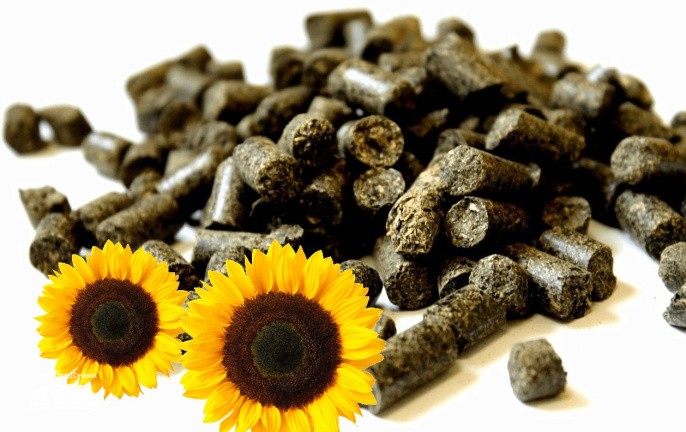
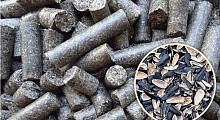
The products are cylindrical granules (pellets). Granules are used either:
as biofuels for boilers, stoves, greenhouses (5-12% residual oil and wax, which makes husk a very energy-intensive raw material, pellets have a heat storage capacity of ≈ 5 kWh/kg, which is higher than that of wood pellets (4 - 4.4 kWh/kg), straw pellets (3.8 - 4.2 kWh/kg) and is comparable to coal fuel.
as feed pellets for use in compound feeds (in limited quantities, up to 10-15% of the diet). The husk is poor in protein, therefore it is used as a filler or a source of fiber for cattle, sheep, pigs, poultry.
As fertilizers, organic fertilizer obtained from sunflower seed husks is rich in various trace elements, so it can effectively improve the composition of the soil.
as a litter for animals, the pellets absorb moisture well, do not collect dust, and are durable.
Technology
Sunflower husk (soybean husk) is a light, fibrous, low-density raw material, therefore, its granulation technology has a number of specific requirements, and a specially adapted production line is required for its effective pressing.
Pelletizing involves processing the husk, resulting in compression of the raw material 5-10 times with the formation of granules in a hard shell, resistant to damage, high humidity, temperature fluctuations, cracking. The granule itself is not amenable to stratification.
The technological process of producing pellets from husks includes the following stages (we offer production lines with a capacity from 1-2 t/h to 10 t/h):
1. Reception and crushing of husks
The husk is fed into the crusher and crushed to a fine fraction of 3-5 mm - this is necessary for uniform pressing. Feature: The crusher is equipped with special wear-resistant alloy hammers and an air flow control system to avoid clogging with fibrous material.
2. Air conditioning (humidification and heating)
The husk is loaded into the granulator storage hopper, from where the mass enters the mixer in uniform portions, where it is moistened with water.
3. Granulation (key step)
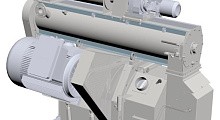
The moistened and heated mass is sent to the pressing chamber of the press granulator. Under high pressure and temperature (80-90 °C), lignin softens and glues the particles. The mass passes through the holes of the matrix, the resulting granules collide with the knife and break off. Granules are formed without the addition of binders — a 100% natural product.
4. Cooling
The resulting granules have a high temperature (80-90 ° C), so they are then sent by a conveyor to a countercurrent cooler, where they are cooled to a temperature close to the ambient (3-5 ° C higher), humidity is reduced to 10-12%, and caking is prevented.
5. Sifting
A two-layer vibrating screen separates high-quality granules from particles that have not been granulated. The particle in the form of crumbs is returned to the cycle through a screw conveyor and subsequently sieved.
6. Packing and storage
The finished chilled pellets are sent for storage in a special hopper, either in bulk in silos, or packed in bags, big bags. In many factories where pellets are used for their own needs (for example, for heating), packaging is not provided - the product goes directly to the boiler room.
The composition of the processing line (complete set of the line)
The sunflower husk pelletizing line (soybean husk) is a specialized equipment for processing waste from oil refineries that use sunflower seeds to extract oil into high-quality fuel or feed pellets (pellets).
- The crusher
- Mixer
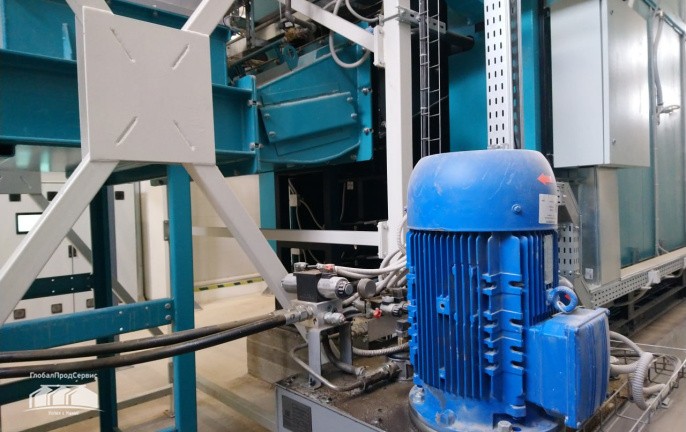
- The press granulator
- Countercurrent cooler
- Vibrating screen
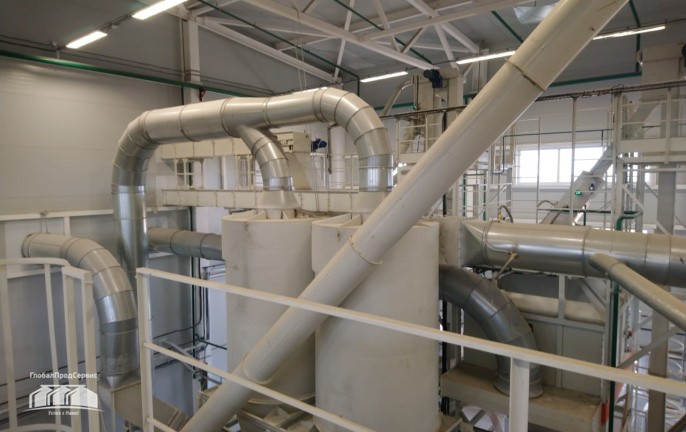
- Pneumatic transport
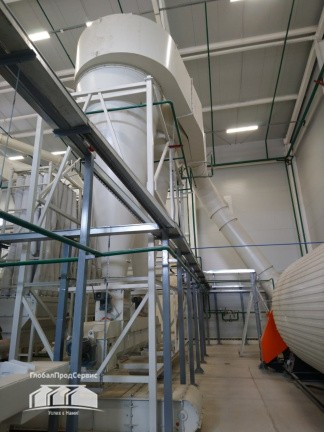
- Filters, fans
- Transportation equipment
- Control cabinet with remote control
Features of the sunflower husk granulation line
- The husk has a loose, fibrous structure – it is poorly pressed in this form, so pre-grinding is a mandatory step. This increases the packing density, increases particle coupling, and improves passage through the matrix. The rate of formation of sunflower husk particles will be higher, and the molding effect will be better.
- Sunflower husks are very dry – without moistening, the granules become crumbly, so adding water is mandatory. This activates natural oils and wax, reduces matrix wear, and increases the strength of the granules.
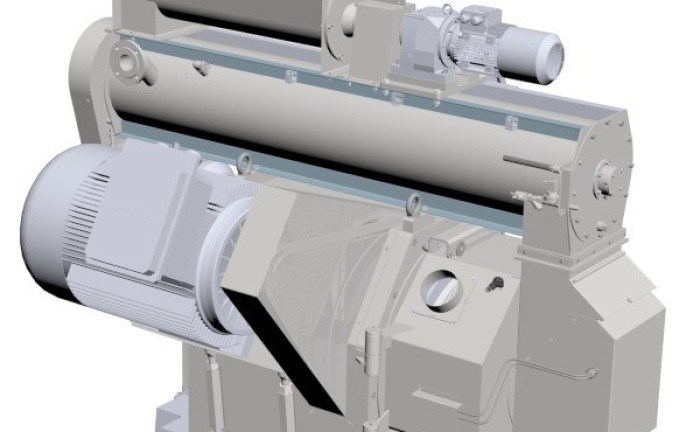
- For husks, pelletizers with an annular matrix are preferable to those with a flat one because the load is evenly distributed, they have high productivity, and fibrous raw materials are pressed better. Pressing the annular matrix and the pressure roller in the pelletizing chamber softens the husk and shapes it, resulting in cylindrical pellets of 2-12 mm in size.
- Cooling is a mandatory step, because without cooling, they mold, clump, and crack during storage.
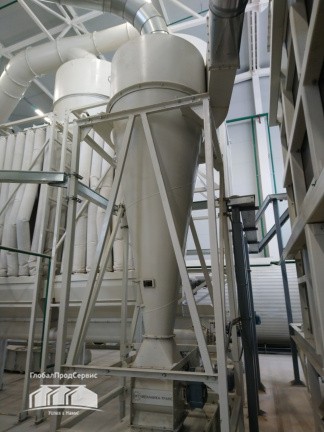
- Husk is a very dusty raw material, so cyclones, filters and a fan are mandatory equipment, otherwise product loss, risk of dust explosions, violation of sanitary standards.
- The system of automatic return of small fractions increases the yield of finished products up to 95-97%.
- Automation controls the feed rate of raw materials, the pressure in the press, and the level in the bins.
Advantages
Advantages of the husk granulation line:
- Environmentally friendly, renewable fuel with a low ash content and emissions (the ash content of sunflower husk is only 2.8—3.2% (lower than that of wood – 3.5—4%), therefore pellets clog boilers and chimneys less, reduce the frequency of equipment maintenance.
- Complete disposal of waste from oil refineries or plants for processing sunflower seeds, soybeans
- An additional source of income
- Reducing the environmental burden
- Own fuel for workshop heating
- Increasing the profitability of the plant
- Granulation reduces volume by 60-70%, allows storage in bulk or in big bags for up to 6 months without loss.
With Globalprodservice, you get not just equipment, but a ready-made solution: from sunflower husks (soybeans) to valuable biofuels. Our pelletizing lines solve the problems of efficient storage, convenient transportation and cost-effective use of biomass in the energy sector, turning oilseed processing waste into a stable source of income.
The sunflower husk pelletizing line is designed to process waste from oil refineries - sunflower seed husks (soy husks) into dense pellets (granules) that are convenient for storage and transportation, which are used as highly efficient biofuels or feed components.
The sunflower husk granulation line is a specialized but flexible complex that combines low cost of raw materials, high energy efficiency of the product and environmental friendliness. It is especially advantageous for creameries, where the husk is formed in large volumes and was previously disposed of or sold cheaply.
Raw materials: sunflower seed husk (husk of soybean seed shell). A large amount of sunflower husk remains in the sunflower oil production process. Each creamery produces dozens of tons of waste every week. These sunflower husk wastes are very good raw materials for pellet processing.
The products are cylindrical granules (pellets). Granules are used either:
as biofuels for boilers, stoves, greenhouses (5-12% residual oil and wax, which makes husk a very energy-intensive raw material, pellets have a heat storage capacity of ≈ 5 kWh/kg, which is higher than that of wood pellets (4 - 4.4 kWh/kg), straw pellets (3.8 - 4.2 kWh/kg) and is comparable to coal fuel.
as feed pellets for use in compound feeds (in limited quantities, up to 10-15% of the diet). The husk is poor in protein, therefore it is used as a filler or a source of fiber for cattle, sheep, pigs, poultry.
As fertilizers, organic fertilizer obtained from sunflower seed husks is rich in various trace elements, so it can effectively improve the composition of the soil.
as a litter for animals, the pellets absorb moisture well, do not collect dust, and are durable.
Sunflower husk (soybean husk) is a light, fibrous, low-density raw material, therefore, its granulation technology has a number of specific requirements, and a specially adapted production line is required for its effective pressing.
Pelletizing involves processing the husk, resulting in compression of the raw material 5-10 times with the formation of granules in a hard shell, resistant to damage, high humidity, temperature fluctuations, cracking. The granule itself is not amenable to stratification.
The technological process of producing pellets from husks includes the following stages (we offer production lines with a capacity from 1-2 t/h to 10 t/h):
1. Reception and crushing of husks
The husk is fed into the crusher and crushed to a fine fraction of 3-5 mm - this is necessary for uniform pressing. Feature: The crusher is equipped with special wear-resistant alloy hammers and an air flow control system to avoid clogging with fibrous material.
2. Air conditioning (humidification and heating)
The husk is loaded into the granulator storage hopper, from where the mass enters the mixer in uniform portions, where it is moistened with water.
3. Granulation (key step)
The moistened and heated mass is sent to the pressing chamber of the press granulator. Under high pressure and temperature (80-90 °C), lignin softens and glues the particles. The mass passes through the holes of the matrix, the resulting granules collide with the knife and break off. Granules are formed without the addition of binders — a 100% natural product.
4. Cooling
The resulting granules have a high temperature (80-90 ° C), so they are then sent by a conveyor to a countercurrent cooler, where they are cooled to a temperature close to the ambient (3-5 ° C higher), humidity is reduced to 10-12%, and caking is prevented.
5. Sifting
A two-layer vibrating screen separates high-quality granules from particles that have not been granulated. The particle in the form of crumbs is returned to the cycle through a screw conveyor and subsequently sieved.
6. Packing and storage
The finished chilled pellets are sent for storage in a special hopper, either in bulk in silos, or packed in bags, big bags. In many factories where pellets are used for their own needs (for example, for heating), packaging is not provided - the product goes directly to the boiler room.
The composition of the processing line (complete set of the line)
The sunflower husk pelletizing line (soybean husk) is a specialized equipment for processing waste from oil refineries that use sunflower seeds to extract oil into high-quality fuel or feed pellets (pellets).
- The crusher
- Mixer
- The press granulator
- Countercurrent cooler
- Vibrating screen
- Pneumatic transport
- Filters, fans
- Transportation equipment
- Control cabinet with remote control
Features of the sunflower husk granulation line
- The husk has a loose, fibrous structure – it is poorly pressed in this form, so pre-grinding is a mandatory step. This increases the packing density, increases particle coupling, and improves passage through the matrix. The rate of formation of sunflower husk particles will be higher, and the molding effect will be better.
- Sunflower husks are very dry – without moistening, the granules become crumbly, so adding water is mandatory. This activates natural oils and wax, reduces matrix wear, and increases the strength of the granules.
- For husks, pelletizers with an annular matrix are preferable to those with a flat one because the load is evenly distributed, they have high productivity, and fibrous raw materials are pressed better. Pressing the annular matrix and the pressure roller in the pelletizing chamber softens the husk and shapes it, resulting in cylindrical pellets of 2-12 mm in size.
- Cooling is a mandatory step, because without cooling, they mold, clump, and crack during storage.
- Husk is a very dusty raw material, so cyclones, filters and a fan are mandatory equipment, otherwise product loss, risk of dust explosions, violation of sanitary standards.
- The system of automatic return of small fractions increases the yield of finished products up to 95-97%.
- Automation controls the feed rate of raw materials, the pressure in the press, and the level in the bins.
Advantages of the husk granulation line:
- Environmentally friendly, renewable fuel with a low ash content and emissions (the ash content of sunflower husk is only 2.8—3.2% (lower than that of wood – 3.5—4%), therefore pellets clog boilers and chimneys less, reduce the frequency of equipment maintenance.
- Complete disposal of waste from oil refineries or plants for processing sunflower seeds, soybeans
- An additional source of income
- Reducing the environmental burden
- Own fuel for workshop heating
- Increasing the profitability of the plant
- Granulation reduces volume by 60-70%, allows storage in bulk or in big bags for up to 6 months without loss.
With Globalprodservice, you get not just equipment, but a ready-made solution: from sunflower husks (soybeans) to valuable biofuels. Our pelletizing lines solve the problems of efficient storage, convenient transportation and cost-effective use of biomass in the energy sector, turning oilseed processing waste into a stable source of income.
Advantages of the equipment

Robust construction

Stable and reliable production

Maximum efficiency

Easy to operate

Easy maintenance

It will save space

Low maintenance costs

Long service life